

Rubbish clearance for shops near The Glades Bromley
Posted on 09/08/2026
Rubbish clearance for shops near The Glades Bromley: a practical guide for busy retailers
If you run a shop near The Glades Bromley, rubbish has a habit of appearing faster than you can deal with it. Cardboard boxes pile up after deliveries, broken display units need shifting, packaging fills the stockroom, and somehow the back area looks worse at 4pm than it did when you opened. That is exactly why rubbish clearance for shops near The Glades Bromley matters: it keeps your space safe, presentable, and workable without turning staff time into bin-wrangling chaos.
This guide breaks down how local shop clearance works, what to expect, what to avoid, and how to make smart decisions if you need a one-off uplift or something more regular. It is written for real shop owners, managers, and tenants who simply need the job done properly, with as little fuss as possible.
For broader context on the company behind this kind of work, you may also find the services overview useful, especially if you are comparing a few different clearance needs at once.
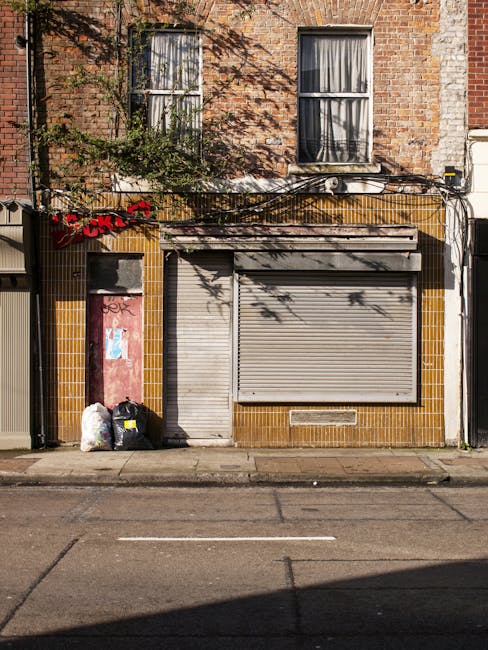
Why rubbish clearance for shops near The Glades Bromley matters
Retail space is different from domestic space. There is less room to hide clutter, more people watching, and usually a constant stream of stock, deliveries, customer footfall, and waste all happening at once. Near a busy destination like The Glades, that pressure is even more noticeable. A single blocked rear entrance, an overfilled stockroom, or a trail of flattened packaging can quickly become a daily annoyance rather than a minor inconvenience.
Good rubbish clearance does more than empty a bin. It helps a shop stay safe, functional, and calm. Staff can move freely. Customers see a tidy frontage. Stock replenishment gets easier. And to be fair, there is something reassuring about opening the back door and not being hit by that familiar cardboard-and-damp-smell mix that builds up when waste hangs around too long.
There is also a commercial side. Mess can create the wrong impression, especially in retail where presentation matters. Even if your shop is small, people notice if waste is spilling into visible areas or if deliveries are left sitting out for days. That small detail can quietly affect trust. Not always dramatically, but enough to matter.
It also supports better planning. Once clearance becomes part of your normal trading rhythm rather than a panic response, the whole operation feels more organised. That tends to save time, reduce stress, and make staff life easier. Which, let's face it, is usually a pretty good outcome.
How rubbish clearance for shops near The Glades Bromley works
Most shop clearances follow a straightforward process, but the details matter. A good provider will start by understanding what needs removing, where the waste is stored, and whether any items need special handling. For example, a fashion shop with racks, hangers, cardboard and broken signage will need a different approach from a cafe with mixed food packaging, old small appliances, and back-of-house clutter.
In many cases, the process starts with a quick assessment or quote. You describe the type and amount of waste, access points, and any timing restrictions. If the shop is on a tight high-street schedule, timing can matter more than people expect. Early morning, after-hours, or quieter trading windows can make the clearance smoother and less disruptive. A good local team should be used to that sort of thing.
On the day, the crew will usually load items directly from the store, stockroom, basement, rear yard, or service access point. That can include general junk, old shelving, packaging waste, damaged fittings, and mixed retail debris. Some providers separate recyclable material where possible, which is a sensible habit rather than a fancy extra. After loading, the waste is taken away for sorting, reuse, recycling, or disposal depending on the material type.
If your business needs a broader clean-out, you may want to compare this with office clearance in Bromley or even general waste clearance support to see which service fit is closest. Sometimes retail spaces have office-style back rooms, and the boundaries are a bit blurrier than they look.
Key benefits and practical advantages
The biggest benefit is obvious: the waste goes away. But the real value is everything that happens around that. A clean stockroom makes restocking faster. Clear walkways reduce trip hazards. A tidy rear area makes deliveries easier to receive. Staff spend less time shifting rubbish around and more time doing work that actually matters.
There are a few other advantages that shop owners often notice after the first clearance:
- Better use of limited space - retail back rooms are rarely spacious, so every square metre counts.
- Improved safety - less loose clutter means fewer accidents, blocked exits, and awkward lifting.
- Cleaner customer impression - even if customers never see the back of house, the effect often shows in how smoothly the shop runs.
- Less staff downtime - no one enjoys a makeshift waste run during the lunch rush.
- More predictable routines - clearance becomes part of operations instead of a last-minute scramble.
There is also a sustainability benefit if the waste is handled well. Retail waste often contains a surprisingly large amount of cardboard, plastic wrapping, display fixtures, and reusable material. A provider with a sensible recycling approach can reduce how much ends up as general rubbish. For shops that care about their environmental footprint, that matters.
For more on this side of the picture, have a look at recycling and sustainability. It is not a magic wand, but it does help show the difference between basic disposal and a more considered approach.
Who this is for and when it makes sense
This kind of clearance is not only for large chain stores or major refits. In fact, smaller independent shops often feel the need most sharply because they have less space to absorb waste. A single week of deliveries can clutter a stockroom faster than expected. Then there is seasonal stock, packaging from returns, broken signage, and that one awkward item no one wants to move but no one can ignore either.
It makes sense if you are:
- closing, relocating, or refurbishing a shop
- preparing for a new season or promotion
- dealing with excess packaging and stockroom clutter
- replacing shelving, furniture, or displays
- clearing damaged stock or obsolete fittings
- trying to get a small retail unit back under control after a busy period
It is also useful if you are managing a mixed-use premises where the shop floor is clean but the rear storage area has quietly become a bit of a jungle. That happens more often than people admit. One retailer told us, only half-joking, that the stockroom "looked like it had been storing old decisions." Fair enough, really.
And if your shop is part of a move or sale, the surrounding business decisions can be just as important as the clearance itself. Some readers also find Bromley buying and selling homes useful for understanding how local property movement affects timing, planning, and handover pressure, even outside the domestic market.
Step-by-step guidance
Here is a sensible way to handle a shop clearance without making it harder than it needs to be.
- Identify the waste clearly. Walk through the shop and list what is actually going. Separate general rubbish, recyclable packaging, damaged fixtures, electronics, and bulky items.
- Measure the scale. You do not need exact weights, but a rough idea of volume helps. One overflowing storeroom is a very different job from a few bags and a broken counter.
- Check access. Make note of loading bays, stairwells, narrow entrances, parking limits, and any restrictions near the unit. Access can influence both timing and cost.
- Choose a suitable time slot. Early morning or quieter trading periods are often best. Less disruption, fewer awkward interruptions. Simple as that.
- Ask how waste will be handled. A decent provider should be able to explain whether items will be reused, recycled, or disposed of responsibly.
- Confirm the pricing basis. Make sure you know whether you are being quoted by volume, labour, type of material, or a mixed model.
- Prepare the space. Bag loose waste, label anything sensitive, and keep items you want to retain separate and visible.
- Do a final walk-through. Before the team leaves, check nothing useful has been moved by mistake and that the area is left tidy.
If you are trying to avoid surprise costs, it is worth reading this guide to hidden rubbish charges in Bromley. Small wording differences in quotes can make a bigger difference than people expect.
Expert tips for better results
There are a few habits that make shop clearance easier almost every time.
First, separate what can be separated. Cardboard, reusable shelving, broken fittings, and general waste should not all be treated the same if you can help it. Even a rough separation saves time on the day.
Second, keep an eye on access around delivery times. If you arrange clearance during a busy drop-off window, the job can slow down and get awkward. In a busy Bromley retail area, that little bit of planning goes a long way.
Third, communicate about fragile or awkward items. Glass display pieces, old mirrors, electrical stock, and heavy counters need care. If someone has to lift it, roll it, or carry it through a narrow corridor, say so in advance.
Fourth, think about storage before the clearance, not after. If the reason for clearing rubbish is to make room for a new layout, decide where the finished stock or new fixtures are going to live. Otherwise the clutter just migrates. It is oddly efficient at that.
Finally, keep the process documented. A simple note of what was removed, when, and by whom can help if you manage multiple units or need a record for your landlord, fit-out team, or internal audit trail.
For many retailers, it also helps to understand the provider's values around ethics and handling standards. Pages like about us and insurance and safety can give a better sense of how carefully a company approaches the work.
Common mistakes to avoid
Most clearance problems come from rushing or assuming the job is simpler than it is. That is very human, by the way, and not a criticism. Retail owners are busy. Still, a few mistakes come up repeatedly.
- Leaving sorting until the last minute. If everything is mixed together on the day, you lose time and control.
- Underestimating volume. A small pile can become a van-full very quickly once broken displays and packaging are added in.
- Not checking access properly. Narrow service doors, stairs, and loading restrictions can change the whole plan.
- Choosing the cheapest quote without context. A low price is only useful if it covers the actual job cleanly and transparently.
- Forgetting about staff schedule. If your crew needs to dodge customers, stock checks, and deliveries all at once, everyone has a bad time.
- Mixing keep and clear items together. This is the classic one. One box of "keep" items in a clearance pile, and suddenly everyone is standing around trying to guess what a shelf was for.
There is also the mistake of treating retail waste like any old household clutter. Shop waste can include packaging bands, bulkier fixtures, minor electrical items, and business-related materials that need a little more thought. Not always complicated, just different.
Tools, resources and recommendations
You do not need fancy equipment to prepare for a shop clearance, but a few practical tools help a lot. Strong bin bags, labels, marker pens, gloves, a torch for the back of a stockroom, and a trolley or sack barrow can make the prep feel less like a wrestling match with the storeroom.
From a planning point of view, these are the most useful resources:
- Photo inventory - take quick phone photos of the waste before collection so everyone is clear on scope.
- Room-by-room list - even in a small shop, listing what comes from the floor, stockroom, or rear yard prevents confusion.
- Clear labels - mark what is to go, what stays, and what is sensitive or fragile.
- Timing note - jot down the quietest times in your trading pattern so a collection can be arranged with less disruption.
If you are exploring related services, the following pages can also help you shape the right job:
- rubbish collection in Bromley for smaller or more routine waste removal
- furniture disposal in Bromley when shelving, seating, or counters need moving
- builders waste disposal in Bromley if your shop is being refitted
- waste clearance in Bromley for broader site clean-ups
One small but useful tip: if the shop contains a few items you are not sure about, isolate them before the clearance team arrives. Uncertainty tends to slow everything down. A neatly separated pile is boring, yes, but boring is often efficient, and efficient is lovely.
Law, compliance, standards, and best practice
For shops, compliance matters because the waste is business waste, not domestic waste. That means it should be handled in line with normal UK expectations for responsible commercial disposal. You do not need to become a waste-law expert overnight, but you do need to avoid the obvious pitfalls: fly-tipping risks, unsafe storage, blocking exits, and using anyone who cannot demonstrate proper handling practices.
As a practical matter, that usually means checking that the provider is insured, can explain how waste will be sorted, and is clear about what they can and cannot take. If you store waste at the rear of a shop, make sure it does not obstruct access routes or create a hazard for staff or delivery drivers. That is just common sense, but common sense is sometimes the first thing to disappear on a hectic trading day.
Environmental best practice also matters. Where possible, recyclable material should be separated from mixed waste, and reusable fixtures should be kept out of the disposal stream if they still have life left in them. A decent provider should be comfortable explaining the approach in plain English.
For a retailer, trust signals matter too. Understanding a provider's policies on payment, data, and service terms can be helpful, especially if you are booking on behalf of a business rather than as an individual. Relevant pages include payment and security, terms and conditions, and privacy policy. Those pages are not exciting reading, admittedly, but they do matter when you want clarity.
Options, methods, and comparison table
Not every shop needs the same type of clearance. Some need a one-off bulk uplift after a refit. Others need regular help with packaging and back-room clutter. The best choice depends on how fast the waste builds up, what type it is, and how much disruption you can tolerate.
| Method | Best for | Advantages | Watch-outs |
|---|---|---|---|
| One-off shop clearance | Refits, closures, end-of-season clear-outs | Fast reset, simple planning, clear result | May be less suitable if waste builds up every week |
| Scheduled clearance | Busy shops with steady packaging or stock movement | Predictable, keeps clutter under control | Needs regular booking and coordination |
| Mixed retail waste removal | Shops with cardboard, display waste, and general clutter | Flexible, practical, covers real-world mess | Sorting is still useful to keep costs sensible |
| Bulky item removal | Shelving, counters, old fixtures, worn furniture | Good for awkward items and limited staff lifting | Access and weight need to be checked carefully |
If your premises is more than just a shop floor, it can help to compare with house clearance or loft clearance approaches if you are dealing with storage above or behind the unit. The principles are similar, but the setting changes the logistics quite a bit.
Case study or real-world example
Imagine a small fashion shop just off the main retail flow near The Glades. The owner has had a busy season, and the stockroom is full of folded cardboard, damaged hanger rails, a broken mirror from a fitting area, and a couple of outdated display units waiting to be replaced. Nothing dramatic. Just the kind of slow-build clutter that grows while everyone is busy serving customers.
Before clearance, staff have to move around piles to reach the back shelves. New deliveries are awkward to unpack. One corridor keeps getting narrowed by leftover packaging, which is not ideal when someone is carrying stock in by hand. The owner decides to arrange a single clearance session during a quieter morning slot.
They separate the obvious recyclables first, remove anything they want to keep, and take photos so the job scope is clear. The clearance team removes the bulky items, loads the mixed waste, and leaves the area usable again the same day. The difference is small in one sense, but huge in practice. Staff can restock faster. The back room breathes again. And the shop no longer looks like it is trying to hide a very untidy secret.
That is the real value here. Not drama. Just breathing space.
Practical checklist
Use this checklist before booking or carrying out shop rubbish clearance near The Glades Bromley.
- Have you listed everything that needs removing?
- Have you separated keep items from clear items?
- Do you know whether anything is fragile, heavy, or awkward to carry?
- Have you checked access, parking, stairs, and loading points?
- Have you chosen a time that will not disrupt trading too much?
- Do you know if any material needs special handling?
- Have you asked how recyclable items will be treated?
- Have you reviewed the quote carefully for hidden extras?
- Is someone available on-site to confirm what goes and what stays?
- Have you done a final sweep before the team leaves?
If you can tick most of those off, the whole thing tends to go much more smoothly. Not perfectly, because real life rarely does perfect, but smoothly enough.
Conclusion
Rubbish clearance for shops near The Glades Bromley is really about keeping a retail space usable, safe, and presentable without letting clutter take over the day. The best results usually come from clear planning, realistic timing, and a provider who understands commercial spaces rather than treating them like a generic pile of waste.
Whether you need one-off clearance after a refit, help with stockroom clutter, or a more regular solution for packaging and bulky items, the key is to think ahead just enough to avoid stress. A little preparation saves a lot of hassle. And in a busy retail setting, that is not a small thing at all.
Get a free quote today and see how much you can save.
When the rubbish is gone and the space feels calm again, it is amazing how much easier the workday becomes. Small win, big relief. Sometimes that is enough.

 Tipper Van - Waste Clearance and Garden Waste Disposal Prices in Bromley, BR1
 Luton Van - Waste Clearance and Garden Waste Disposal Prices in Bromley, BR1

